

What Is a Roof Cricket?
A roof cricket is a small, ridge-shaped structure built on the high side of a roof where two slopes meet, most often behind a chimney or at the intersection of various roof lines. Its primary purpose is to divert water around obstructions and direct it safely toward gutters or drainage points. In Massena, NY, where seasonal rainfall, snow, and freeze-thaw cycles are common, crickets are especially vital for managing water flow on roofs with chimneys, skylights, or other protrusions.
How Does a Roof Cricket Work?
A roof cricket helps redirect the flow of rain and melting snow away from areas where water might otherwise collect. By creating a peak or slope behind an obstruction, the cricket splits the flow, guiding it to either side rather than letting it pool where the roof meets a vertical surface. This simple redirection is key in preventing water from seeping into seams, flashing, or even the interior attic space.
Why Are Roof Crickets Important in Communities Like Massena?
For residents in Massena, persistent precipitation, snow accumulation, and ice dams in winter mean roofs face added stress from moisture. Any place water collects for extended periods becomes a risk for leaks, wood rot, or mold growth.
Roof crickets offer several crucial benefits for homes in the area:
- They reduce the odds of pooling and standing water, which is a leading cause of roof leaks.
- By keeping water flowing away, crickets help extend the lifespan of roof materials and underlying wood structure.
- They lower the risk of ice dams forming in winter, a common issue when snowmelt is trapped by a chimney or roof intersection and then refreezes.
In neighborhoods with a mix of older and newer homes, some older roofs may not have crickets installed behind chimneys or intersecting roof lines. Modern building codes in climates like Massena's often require crickets for chimneys exceeding a certain width as a best practice.
Where Are Roof Crickets Most Commonly Needed?
The most familiar place for a roof cricket is just upslope from a chimney, especially if the chimney is more than 30 inches wide (front to back). Other locations include:
- Where two roof slopes intersect (valleys or cross-gables)
- Behind skylights or roof-mounted equipment
- Near large dormers or other projections
If a roof is relatively flat, large, or has complicated angles, the need for well-designed crickets increases, as these roofs are more susceptible to water pooling or slow drainage.
What Happens If a Roof Cricket Is Missing or Improperly Built?
While it might seem like a small detail, skipping a cricket or having one that’s too small or poorly angled can result in several persistent problems:
- Water may pool behind chimneys or projections, saturating shingles and underlayment.
- The risk of leaks increases, especially during heavy rain or as snow melts.
- Repeated freeze-thaw cycles can force water under roofing materials, accelerating damage.
- Repairs are often more extensive and costly, since leaks behind chimneys can go unnoticed and cause concealed rot or staining.
Some area homeowners are surprised to find that a persistent brown stain on the ceiling or a musty attic odor is due to water bypassing an absent or failing cricket.
Are Roof Crickets Always Required?
Not every roof needs a cricket, but local building codes or common-sense design principles in Massena often recommend or require them behind wide chimneys. Even if not strictly required on smaller chimneys or projections, adding a cricket is a preventive step, especially on roofs with moderate to low slopes or on homes that experience repeated ice issues each winter.
For historic or architecturally unique homes, crickets are sometimes omitted for aesthetic or structural reasons, but the long-term impact on water management should be carefully considered.
What Materials Are Used for Roof Crickets?
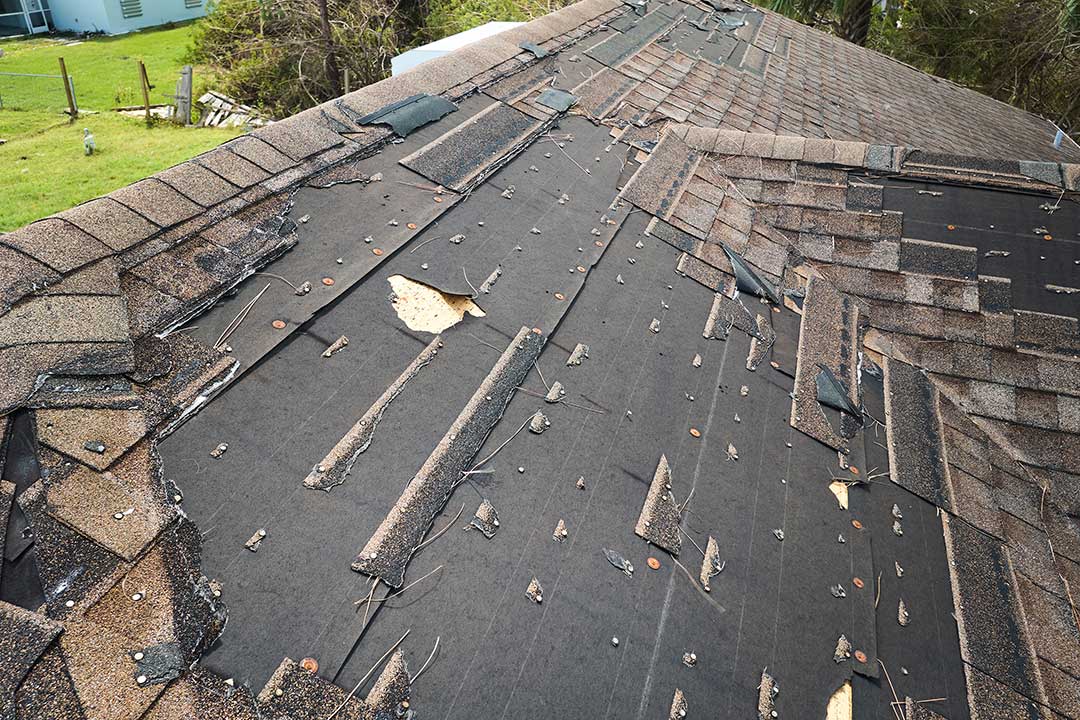
Crickets are usually framed with lumber, then covered with the same roofing material as the rest of the roof—most often asphalt shingles in the region. In some cases, especially with low-slope or flat roofs, the cricket might be covered in metal flashing or membrane. The angle or "pitch" of the cricket should match or exceed the pitch of the roof to work effectively.
How Can Area Residents Tell If Their Home Has a Cricket—or Needs One?
Homeowners and property managers in Massena can check the upslope side of chimneys, large skylights, or major roof valleys for signs of a peaked, triangular structure sloping away from the obstruction. Warning signs that a cricket may be missing or failing include:
- Persistent ice buildup at the base of a chimney in winter
- Water stains on interior ceilings or walls near the chimney
- Moss or algae growth on the roof just behind a chimney or roof valley
- Visible ponding or slow drainage after a rainstorm
Homes with steeply pitched roofs may sometimes rely less on crickets, but most modern roofs in climates with substantial snowfall benefit from having them in the right places.
Common Misconceptions About Roof Crickets
A few misunderstandings often circulate regarding crickets:
- Some assume all chimneys have or need large crickets; in reality, small chimneys on very steep roofs may not require one.
- There's a belief that adding a cricket is a major overhaul. Often, a cricket can be added during routine re-roofing or chimney repairs.
- Some expect leaks to show up quickly if a cricket is absent. In fact, moisture damage can build for months or years before it becomes obvious indoors.
Practical Maintenance and Inspection Tips
The best times to assess crickets or potential drainage issues are during the fall and after the snow melts in spring. Look for signs of standing water, debris buildup, or visible deterioration in the roof covering around obstructions. If inspection from the ground is difficult, periodic professional roof inspections—especially before and after winter—are recommended for safety and thoroughness.
Being proactive about water redirection means fewer headaches from leaks, ice dams, or unexpected roof repairs throughout the year.
