

What Types of Roof Work Can Usually Be Done Safely by Homeowners?
Simple roof maintenance like removing small branches, cleaning gutters, inspecting for loose shingles, or lightly sealing seams may often be performed by careful homeowners in Massena. These tasks typically don’t involve specialized training or tools beyond what most area residents already have.
Small DIY-friendly examples can include:
- Clearing leaves or light snow from accessible low-slope areas using a sturdy ladder.
- Replacing a single, easily reached shingle that came loose after a windstorm.
- Applying a dab of roofing sealant to a minor, visible nail pop in dry weather.
Routine cleaning and observation, especially after heavy rain or winter storms, help local households spot trouble early and maintain home value—even without climbing onto the roof itself.
When Should You Avoid DIY Roof Work Entirely?
Roof tasks that involve serious height, electrical risk, extensive shingle replacement, or work near a chimney or skylight are unsafe for most homeowners. Major repairs or full roof replacements should only be completed by those with relevant expertise and proper fall-safety equipment.
For Massena residents, clear no-go zones for DIY work include:
- Roof pitches steeper than a 4:12 angle (four inches of rise per 12 inches of run).
- Working near power lines, satellite dishes, or standing water on the roof.
- Mold, rot, or structural sagging underfoot—a sign of hidden damage.
- Any roofing when the surface is icy, wet, or wind conditions exceed 15 mph.
- Handling materials heavy enough to shift body balance or cause a fall.
Area building codes also restrict DIY electrical or structural roof alterations, and ignoring these regulations can cause trouble during insurance claims or home sales.
How Do Weather and Seasonal Changes Affect Roof Safety?
Northern New York's climate plays a large role in determining safe times for roof work. Local weather features—lake-effect snow, ice, spring thaw, wind-driven rain—can turn even small jobs hazardous.
Key considerations for Massena households:
- Never work on the roof after snow, freezing rain, or when there's visible dew or frost in the morning.
- Spring and fall, with mild dry weather and stable ladder footing, are generally safest.
- Stay alert to surprise wind gusts, which can arrive quickly and unpredictably off the river or nearby woodlands.
- Heat waves may cause shingles to soften (or burn hands), making walking and repair work difficult.
Local residents sometimes underestimate how quickly weather shifts can make a safe job risky. Even a slight slip caused by mud, moss, or ice increases the chance of a fall from height.
What Safety Precautions Are A Must for Any DIY Roof Work?
Even for small jobs, simple safety steps make a difference. Preventing slips and falls is especially important in Massena, where roofs may be wet or damp much of the year.
Practical guidelines include:
- Always use a sturdy, properly angled extension ladder—never stand on the top rung.
- Wear shoes with non-slip soles and avoid loose clothing that could snag on shingles or flashing.
- Avoid working alone; have someone present who can call for help if needed.
- Never reach farther than your arm span—move the ladder instead of leaning.
- Utilize a harness and roof anchor, if available, for work above the first story.
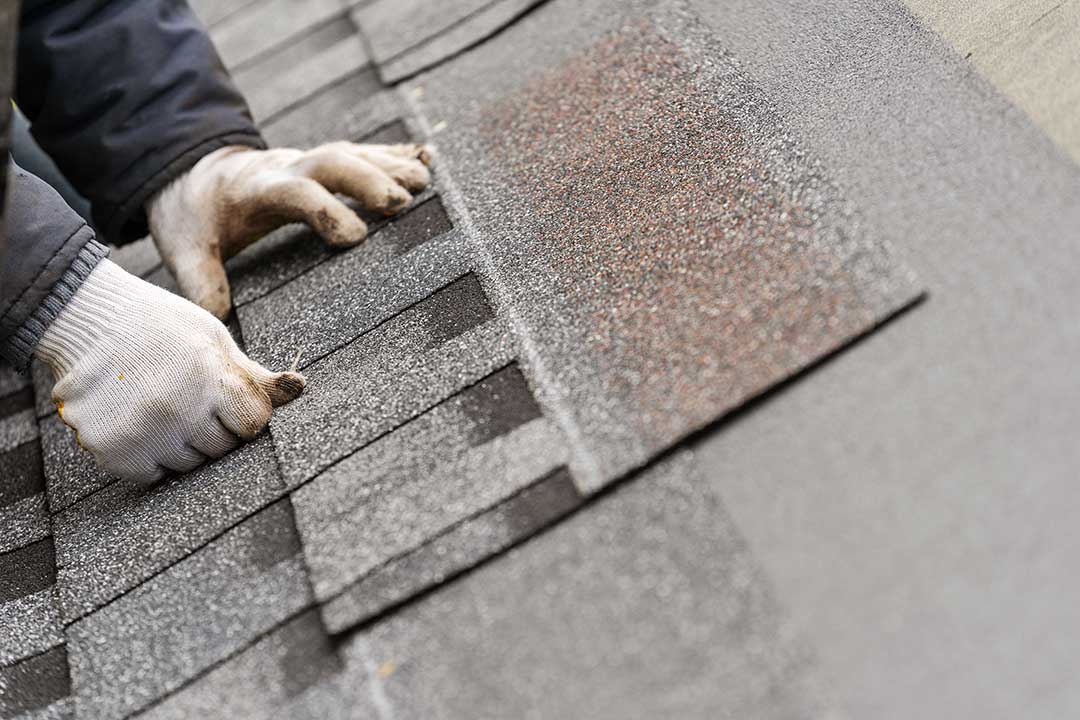
Before any work, check local building safety guidance available via the city’s website or through area extension programs. Knowledge of these precautions helps keep minor maintenance from turning into an emergency.
What Common Misconceptions Lead to Accidents?
Many accidents happen because people assume a previous successful DIY repair makes all roof tasks equally safe. However, each roof is different—age, pitch, material, and recent weather matter.
Misconceptions to watch for among area homeowners:
- Assuming low and flat roofs are always safe to walk on, regardless of materials.
- Believing aggressive cleaning methods (like power-washing) are harmless—they can damage older surfaces or force water under shingles, especially after harsh Massena winters.
- Thinking all roof leaks can be “patched” from above—some may originate from flashing failure or attic condensation, not damage on the outer surface.
Being aware of these pitfalls can prevent costly mistakes and unsafe situations.
Do Local Codes or Insurance Requirements Affect DIY Roof Work?
Massena and the surrounding region have building codes and permitting requirements for roof replacements, structural changes, or electrical work. Skipping permits or inspections may create issues with home insurance or when selling the property.
If your planned project goes beyond simple cleaning or minor shingle swaps, check whether local rules require documenting the work. Most small maintenance tasks don’t, but claim denials or liability can result from missed paperwork on major jobs.
Area insurance carriers may also have specific exclusions for claims on self-performed roofing work, especially if safety procedures or code compliance aren’t followed.
How Can Residents Decide if a Roof Task Is Within Their Skill Level?
A clear sign that a task is appropriate for DIY is if you can:
- Safely reach and inspect the area without walking on the roof.
- Identify and match replacement materials with full confidence.
- Finish the repair in a short, focused session without rush or improvisation.
If unsure, start with observation and light cleaning. For leaks, broad shingle gaps, or visible structural damage, consider your physical comfort with heights and personal experience. Knowing your limits is the most locally relevant advice—seasonal conditions, common roof styles, and weather risks vary widely in the city.
Being cautious up front avoids larger safety and financial risks down the line and helps keep Massena homes in good shape year-round.
