

What Should Residents Expect from a Typical Roofing Project?
Homeowners in Massena, NY can anticipate several distinct steps during a roof replacement or major repair. From the initial assessment to the final inspection, each phase has specific considerations. The process generally includes evaluation, material selection, preparation, installation, and cleanup.
In this region, seasonal planning is important. Roofing typically occurs from late spring through early fall to avoid issues with snow, ice, or rain. Unexpected weather delays and the presence of mature tree cover may impact timing or planning.
How Does the Initial Roof Assessment Work?
A thorough evaluation reveals whether repairs or full replacement are needed. A reputable assessment typically involves:
- Visual inspection for missing, curling, or damaged shingles
- Checking for leaks, water stains, moss, or algal growth in the attic or under eaves
- Looking for wood rot or sagging areas in the underlying structure
In Massena’s climate, freeze-thaw cycles can accelerate shingle wear and cause ice damming near roof edges. Homeowners sometimes mistake minor water stains for roof failure, but sometimes the issue originates from attic condensation or poor ventilation rather than roofing material defects.
What Factors Are Involved in Material Selection?
Choosing roofing materials involves balancing local weather patterns, aesthetic preferences, and long-term durability. Common choices in this area include asphalt shingles, metal panels, and occasionally slate or synthetic options.
Key considerations for Massena:
- Steep-pitch roofs help shed snow more easily and reduce the risk of heavy accumulation
- Asphalt shingles are popular for cost-effectiveness and reasonable weather resistance
- Metal roofing, though more expensive up front, often provides longer life and better performance during winter
- Color and style should harmonize with the neighborhood and local architecture, but light-colored materials can also help with summertime heat
Homeowners sometimes overlook ice and water shield requirements. Locally, building codes often call for an extra underlayment barrier along eaves and valleys due to snow and ice risk.
What Preparation Steps Should Residents Anticipate?
Pre-installation activities ensure everything goes smoothly and safely. Preparation usually includes:
- Removing outdoor furniture, vehicles, or valuables near the work zone
- Protecting landscaping close to the house from debris
- Alerting neighbors if parking or shared access may be affected
Workers often need clear driveway access for dumpsters and material deliveries. Some homes in the region have older ventilation or gutter systems that need updating to match current roofing practices.
What Actually Happens During Installation?
Installation involves removing the old materials, making any necessary repairs to decking or structural elements, then laying down new roofing.
A typical sequence:
- Tearing off all or part of the existing roof
- Inspecting for hidden damage or rot
- Installing ice and water shield (especially at eaves and valleys)
- Laying underlayment and starter strips
- Shingle or panel application, with proper alignment and fastening
- Installing flashing around chimneys, skylights, vents, and roof edges
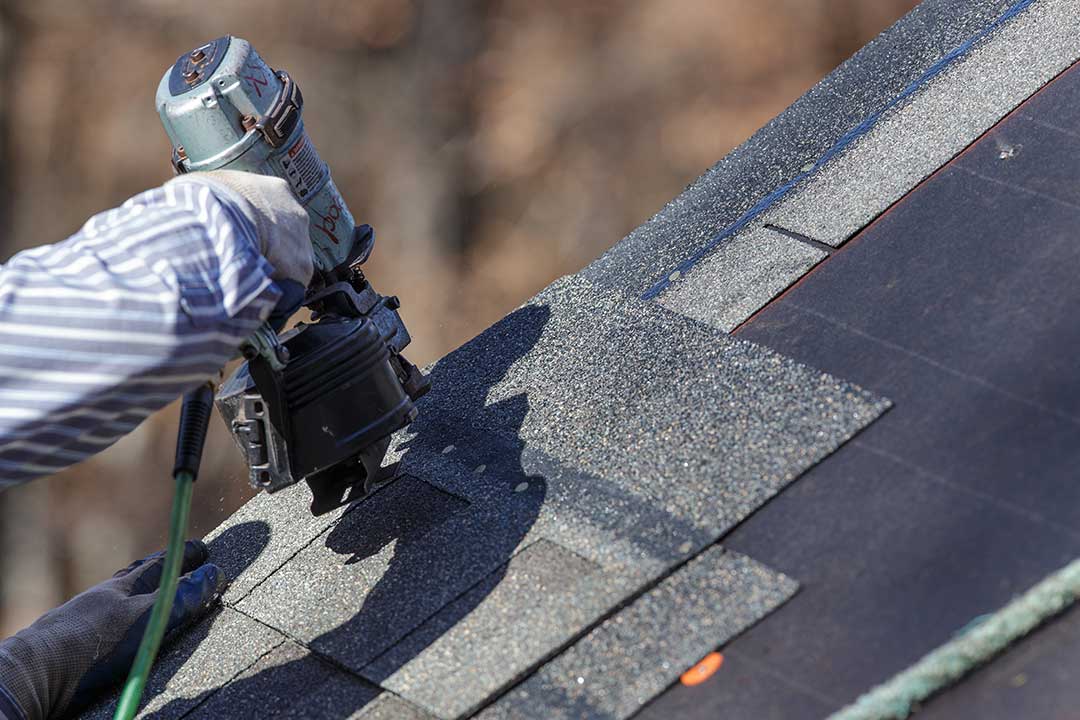
In Massena, flashing is crucial—improper installation often leads to leaks during spring thaws or heavy rain events. Homeowners may mistakenly believe that shingle overlap alone prevents leaks, but without correctly installed flashing and sealed penetrations, water can still enter.
How Are Quality Control and Cleanup Handled?
Following installation, a careful inspection checks for overlooked issues:
- All materials should be securely attached and properly sealed
- Gutters, downspouts, and attic vents inspected for blockages
- Nails, fasteners, or debris removed from lawns and driveways using magnets or careful cleanup
Thorough cleanup helps prevent injuries to pets or children, and area households often appreciate nail sweepers or tarps to minimize leftover debris.
What Common Misunderstandings Do Homeowners Have About Roofing?
Misconceptions can lead to confusion or frustration:
- Not all leaks originate from failed roofing material; ventilation or ice damming is often the cause
- Roofs are rarely “maintenance-free” even when new—regular inspection is wise
- Some warranties require proper attic ventilation or regular maintenance records
Local moisture and snow can exacerbate small problems if not addressed early. Many in the community believe moss or lichen is just cosmetic, but these organisms hold moisture and accelerate rot, especially on shaded slopes.
How Can Residents Prolong the Life of Their Roof?
Routine attention makes a significant difference:
- Clear gutters in spring and fall to prevent ice damming and water backup
- Trim branches to limit shade and reduce moss growth
- Watch attic humidity levels—improving ventilation helps prevent condensation-related issues
- Look for shingles after storms and check attic spaces occasionally for any new stains or drafts
Not every roof issue requires immediate, extensive work, but early detection helps avoid costly damage. Homes in wooded neighborhoods can especially benefit from seasonal checks after heavy wind or ice.
