

What Are Roof Valleys and Why Do They Matter in Massena, NY?
A roof valley is the place where two roof slopes meet, creating a channel that funnels rain, melting snow, and debris toward gutters or drains. In Massena, NY, where long winters and freeze-thaw cycles are common, roof valleys face significant stress. When valleys begin to fail, water can bypass shingles or flashing, leading to leaks inside the home, rotted wood, and even structural damage. Because local weather sends extra runoff and ice through these channels, keeping valleys secure is especially urgent for area households.
How Can You Tell If a Roof Valley Is Starting to Fail?
The clearest signs that a roof valley is developing problems are visible wear, water intrusion, and evidence of shifting or broken materials. Early detection is possible if you know what to look for—these changes are often subtle before a leak appears inside.
Common signs include:
- Cracked, loose, or missing shingles filling the valley, often caused by ice dams or heavy rainfall.
- Metallic flashing that is bent, rusted, out of place, or visibly pulling away from the valley seam.
- Water stains, discoloration, or damp spots on ceilings or interior walls below the roof valley, which can signal an existing leak.
- Accumulation of debris, such as leaves or pine needles, that can block water flow and speed up decay or moss growth.
- Sagging along the valley line, indicating underlying decking may be damaged by moisture.
If you’re confident and conditions are safe, a visual inspection from the ground or attic, using binoculars or a flashlight, often reveals clues before major issues start.
Are All Valleys Built the Same Way in the Community?
Not all roofs in Massena use the same valley design or materials. Common valley types include open metal valleys and closed shingle valleys. Open valleys use metal flashing to direct water, while closed valleys rely on overlapping shingles to cover the seam. Older houses in the community may still have interwoven shingle valleys or have flashing installed with now-outdated techniques.
A frequent misconception is that closed shingle valleys are as durable as open, metal-lined ones under the area’s harsh freeze-thaw cycle. In reality, metal valleys often last longer in regions with heavy snow and significant runoff.
What Weather and Seasonal Factors Speed Up Valley Failure in Massena?
Snow, ice, and frequent temperature swings put extra pressure on roof valleys in this area. Freeze-thaw cycles can cause:
- Ice dams—when melting snow refreezes at the eave, trapping water that pushes under valley shingles.
- Repeated wetting and drying, which can curl or crack older shingles and break the adhesive seals.
- Snow sliding down the roof that scrapes or shifts valley flashing.
Spring and autumn storms may drive water sideways beneath shingles, especially on wind-blown, sloped roofs typical in the neighborhood.
Homeowners sometimes underestimate how much faster roof valleys wear out compared to other parts of the roof, especially on older houses or roofs with poor attic ventilation.
Why Is Valley Maintenance More Pressing in This Area?
In Massena, much of the housing stock experiences accumulated snowpack and is surrounded by overhanging trees. This combination leads to frequent debris buildup and longer-held snow on valley lines. Regular inspections every spring and fall—plus after any major storm—help area residents identify minor problems before they turn into significant leaks during winter or spring thaws.
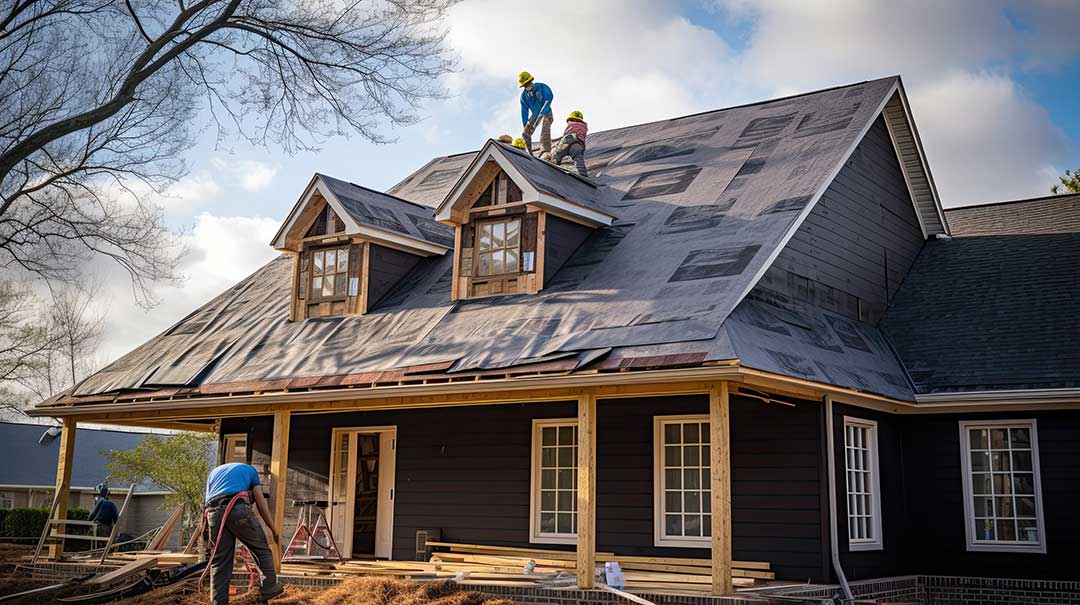
Neglecting valley maintenance increases the risk of:
- Interior water damage
- Mold growth in attics or inside walls
- Costly, invasive repairs to roof decking and framing
Drainage and gutter performance also impact valley function, so clogged gutters can lead to standing water backing up at valley endpoints.
Can You Mistake Common Roof Discoloration for Valley Failure?
Yes, discoloration alone doesn’t always mean a valley is leaking. Metal valleys may show rust spots from runoff, but as long as the flashing is flat and intact, it may not yet allow water in. Likewise, shingle staining from organic debris doesn't always signal a water problem unless accompanied by soft spots, missing shingles, or actual dripping inside.
Some local homeowners worry about moss or algae, which are common here in shaded valleys. While moss adds weight and holds moisture against shingles, it doesn’t always mean the valley system is actively failing—but it does increase the risk of future trouble.
When Should Homeowners Be Cautious About DIY Valley Inspections?
Inspecting roof valleys can be done safely from the ground or an interior attic space. However, climbing onto a steep, icy, or aging roof is hazardous—especially in Massena’s climate, where surfaces can remain slick or brittle much of the year. Where any inspection requires risking a fall, or where structural stability is uncertain (such as obvious sagging or visible rot), extra caution is warranted.
For most homeowners, visual checks using binoculars after storms or heavy snowfall are advisable, but walking on the roof is best left to those with proper safety training and equipment.
What Maintenance Habits Help Prevent Early Valley Failure?
Regular cleaning of valleys and gutters, inspection for missing or damaged shingles after storms, and prompt clearance of ice buildup in winter all reduce the risk of valley failure. Keeping nearby trees trimmed limits future buildup of leaves and organic debris. Some households use a roof rake on single-story houses to remove heavy snow after major storms, keeping extra weight off valley lines.
Careful record-keeping of repairs or pattern spotting can also help identify recurring valley trouble, especially in homes with a history of leaks in the same spot.
