
Why Is It Hard to Match Roof Shingles?
Matching replacement shingles to existing ones is a challenge for many homeowners in Massena, NY. Shingles fade over time due to sun, weather, and seasonal elements like snow and ice. Even if you remember the original brand and color, newer shingles from the same manufacturer may not look quite the same due to aging differences or slight manufacturing changes.
Massena’s mix of older homes, new builds, and seasonal conditions means roofs age at different rates. As a result, it is common for even similar “charcoal” or “weathered wood” labels to appear noticeably different once installed.
What Information Helps Identify Your Existing Shingles?
Start by gathering as much detail as possible about your current roofing. The following details most often help in narrowing down a close match:
- Type of shingles (asphalt, architectural, three-tab, etc.)
- Manufacturer and product line (often found in home purchase documents or original receipts)
- Color name or code, if available
- Age and installation year of the roof
A close-up photo in natural daylight—and an overview shot of the whole roof—can also help for comparison. In Massena, where roofs endure fluctuating weather, lighter granule wear or algae streaks may have changed the appearance since installation.
How Can You Visually Compare Shingles?
Once you know the basics, visual comparison is key. Pick up a few sample shingles or full pieces from a local supplier with the same type and label as your originals. Bring these samples to your home and view:
- At the same time of day as most visible (sunlight and cloud cover can alter color perception)
- Side by side against the original shingles, both up close and from a distance
- In various weather conditions, as shingle color can look different when wet or dry
It’s common for a replacement to look noticeably newer at first. Weather in Massena often evens out minor mismatches over time, but significant differences may remain visible after years.
Which Shingle Characteristics Matter Most for Blending In?
The most critical factors when blending replacement shingles with an existing roof are:
- Color tone: Not just gray or black, but the specific warm or cool hue
- Granule texture and size: Three-tab and architectural styles can scatter light differently
- Gloss: Some new shingles have a slight sheen that older ones have lost
- Installation orientation: Aligning the grain, pattern, and direction exactly with what’s already on the roof
In Massena, winter ice and strong sunlight might have stripped some granules, so new shingles might look more textured or flecked. Matching the surface feel can be nearly as important as matching color.
What Mistakes Do Homeowners Frequently Make?
Many local homeowners believe any shingle labeled the same as their old ones will match perfectly. However, a few common mistakes include:
- Skipping sample comparisons and relying only on packaging or product swatches
- Forgetting to check for manufacturing lot differences, which may have slight color variation
- Installing without accounting for light exposure—colors may appear different on north- vs. south-facing parts of the roof in the city’s variable climate
- Ignoring the surrounding area—sometimes a slight mismatch is less visible near chimneys, vents, or dormers
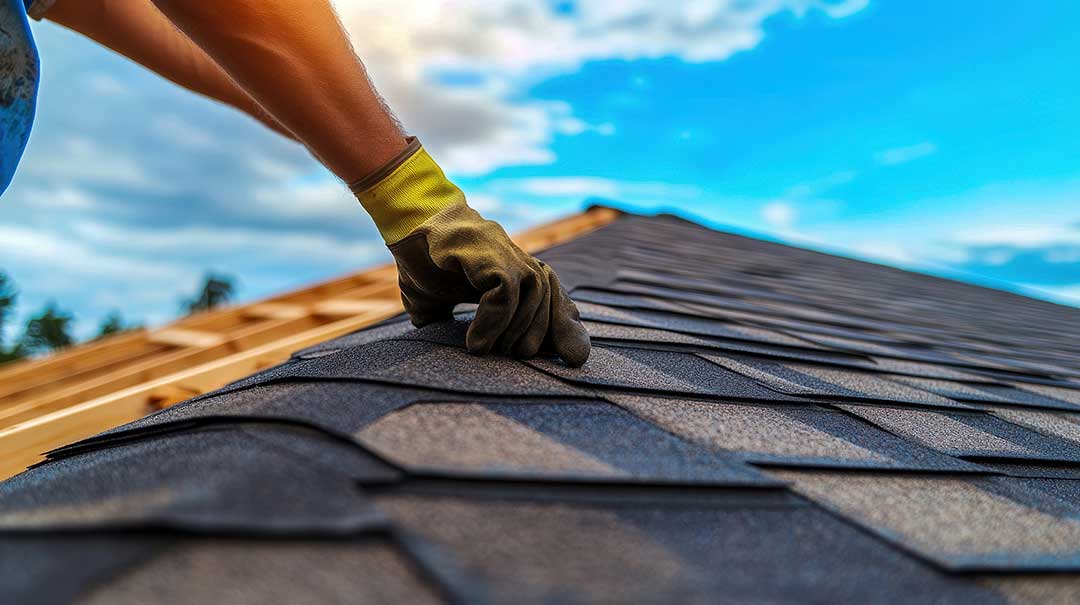
Area households replacing shingles after storm or ice damage are especially vulnerable to mismatches if the need feels urgent.
Are There Tricks for Better Camouflage?
To make a replacement blend in better, stagger replacement shingles in small grouped areas rather than placing them in a large, noticeable patch. This technique, called "feathering" or "scattering," helps break up sharp lines and draws less attention to individual replacements.
On older roofs, lightly brushing surrounding area shingles with a soft broom can even out the appearance. If granule loss is extreme, the difference may remain visible, but a softened transition makes it less obvious from curbside or yard level.
What If You Can’t Find a Perfect Match?
Occasionally, discontinued product lines, severe fading, or long delays between installations make a perfect visual match impossible. In Massena, roofs affected by years of heavy winter can develop unique patterns of wear not found on newer products in stock.
In these cases, focus on close similarity in color and texture. Matching the general look protects curb appeal and helps maintain property value, even if careful eyes can detect some difference. If damage is widespread, discussing larger repair sections or a phased approach may make more sense than single-shingle replacements.
How Does Massena’s Climate Affect Replacement Choices?
Roofing in Massena goes through repeated freeze-thaw cycles, snow, rain, and powerful sun. These extremes fade, warp, and weather shingles more rapidly than in milder climates.
Consider these local realities:
- Expect a slightly different appearance after the first winter, once the new shingles have weathered some
- Algae streaks, common on shaded or north-side roofs, can create subtle stripes—try to match the apparent effect if possible
- Thicker architectural shingles can sometimes hide minor color differences better than smooth three-tab styles in the city’s mixed-housing neighborhoods
Being realistic about what a “good enough” match looks like for your area is important. Most small repairs, if well-blended, won’t affect the home’s protection or resale value in the community.
