
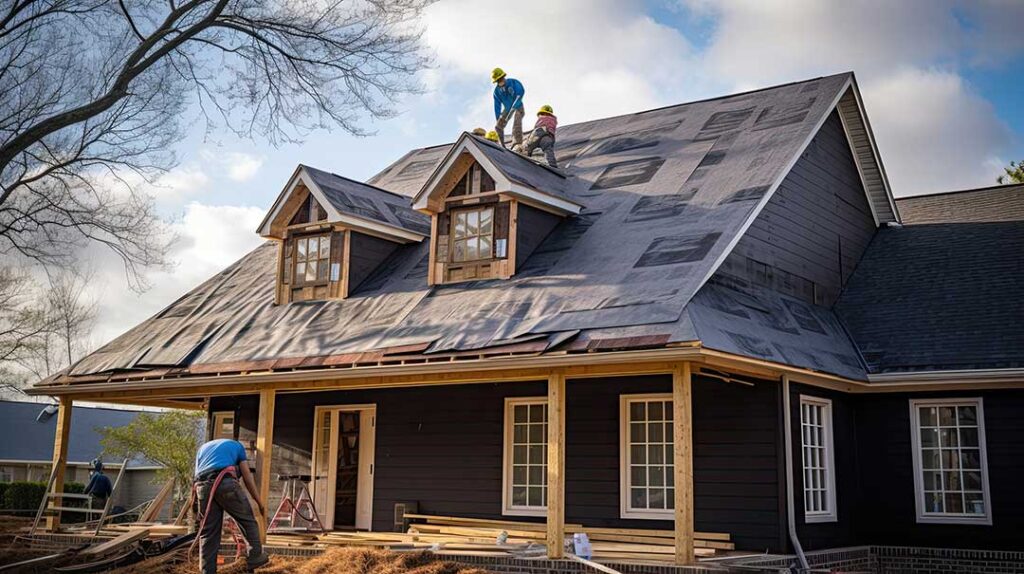
What Are Roof Coatings and Why Are They Used?
A roof coating is a protective layer applied over existing roofing materials to extend their lifespan and improve performance. In Massena, NY's climate—characterized by cold winters, heavy snow, and frequent freeze-thaw cycles—roof coatings appeal to many residents as a maintenance option. These products are typically liquid-applied and cure into a seamless membrane, though there are several types designed for different roof surfaces.
Most coatings aim to add weather resistance, minimize leaks, and sometimes boost energy efficiency. Common types include acrylic, silicone, polyurethane, and bitumen-based coatings. The choice depends on roof material, condition, and what homeowners hope to achieve.
What Are the Main Benefits of Roof Coatings in the Massena Area?
Roof coatings offer several practical advantages in the local context, particularly for homes and buildings with aging or weather-exposed roofs.
- Waterproofing: Coatings act as a barrier to rain and melting snow, which is valuable in Massena’s climate. Properly applied coatings help protect against water infiltration that can cause costly interior damage or mold.
- Ice Dam Prevention: By sealing small cracks and gaps, coatings may reduce some of the rapid freeze-thaw leaks often seen here in late winter and early spring.
- Extended Roof Life: Adding a coating can help slow deterioration of older roofing by shielding it from UV light, moisture, and temperature swings.
- Energy Benefits: Some coatings are reflective and can help reduce heat gain indoors during sunny seasons—useful even in northern New York’s relatively short summers.
- Cost Savings Compared to Replacement: Applying a coating is almost always less expensive than a full roof replacement, making it attractive for homeowners seeking to delay bigger repairs.
What Are the Potential Drawbacks or Limitations?
While coatings offer benefits, they are not suitable for every roof or situation. Some common downsides include:
- Surface Preparation Is Critical: Coatings only adhere properly if the underlying roof is thoroughly cleaned and in relatively sound condition. Applying over loose shingles, widespread rot, or poorly repaired areas can lead to early failure.
- Temporary Solution: A coating does not fix underlying structural problems. Severe leaks, sagging, or compromised decking still require more comprehensive repairs.
- Performance Varies by Roof Type: Not all coatings are compatible with all materials. For example, coatings designed for flat or low-slope roofs often don’t adhere well to traditional pitched shingle roofs, which are common on Massena homes.
- Limited Effectiveness Over Very Old or Layered Roofs: Multiple layers of old roofing, or roofs that have seen repeated repairs, may not benefit much from an additional coating.
- Weather-Dependent Application: Coatings need to be applied when temperatures are above freezing and the roof surface is dry. In Massena, weather windows for applying coatings tend to be short—sometimes just a few weeks in late spring or early fall.
- Needs Reapplication: Most coatings have a service life of 5–10 years. Reapplication will eventually be needed, and some coating types are harder to recoat than others.
How Do Roof Coatings Hold Up in Massena’s Climate?
Roof coatings provide some helpful weather resistance, but performance depends heavily on proper installation and the specific product used. In Massena’s cold, snowy winters, coatings are mainly valued for blocking meltwater and minor ice dam leaks, rather than for dramatically extending roof life.
Heavy snow loads can cause extra stress, sometimes leading to cracking or peeling if the underlying roof flexes or shifts. Freeze-thaw cycles also test the seam integrity of the coating. For homes with flat or low-slope roofs, which are more susceptible to standing water, coatings are more likely to show their value.
For pitched asphalt shingles—common in Massena—many manufacturers do not recommend coatings at all, except in specialized repair situations. On flat commercial or garage roofs, coatings are much more common.
Are There Misconceptions About Using Roof Coatings Locally?
Yes, several common misunderstandings exist about coatings:
- Not a Cure-All for Leaks: It’s easy to assume a coating will solve any leak, but it cannot mend weak roof decking, severe hail damage, or substantial rot.
- Not Always Appropriate for Asphalt Shingles: These coatings can occasionally trap moisture or interfere with shingle ventilation, making some issues worse on steep roofs.
- Doesn’t Eliminate Regular Maintenance: Even coated roofs require periodic checks, debris removal, and gutter clearing—especially after winter storms.
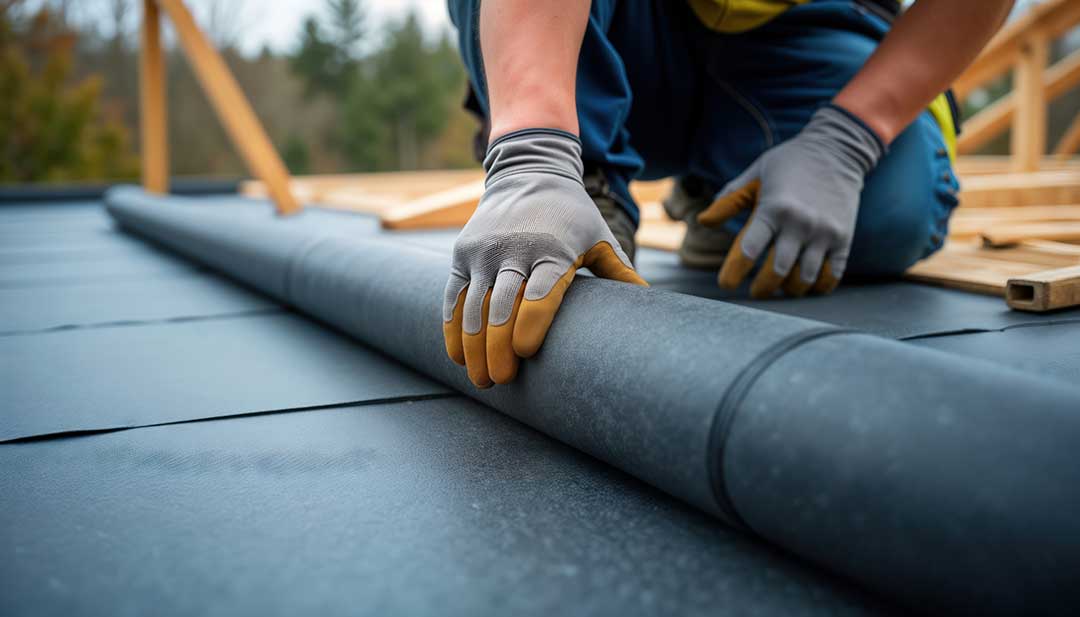
When Is a Roof Coating a Sensible Option for Local Residents?
Adding a coating is most practical in these scenarios:
- On a flat or low-slope roof with minor wear but no major leaks or structural damage
- When trying to extend the usable life of an aging membrane or built-up roof
- On outbuildings, garages, or sheds where appearance is less critical than functionality
- When a full roof replacement is not practical due to timing or budget constraints
It’s rarely the right choice for structurally compromised roofs or those nearing total failure.
What Should Homeowners Consider Before Choosing a Roof Coating?
Before applying any roof coating, local homeowners should:
- Inspect the Existing Roof: Recognize existing moisture damage or structural concerns that a coating would not address.
- Check Product Compatibility: Make sure the coating type works with the existing roof material and local exposure (sun, snow, ice).
- Plan for the Right Weather: Choose a period with several days of dry, mild weather—typically late spring or early fall in Massena.
- Read Warranties and Labeling Carefully: Some coatings have specific requirements or exclusions for homes in northern climates.
Roof coatings can be part of a sensible short-term maintenance strategy for many properties in the community, but evaluating roof condition and understanding limitations is crucial for long-term value.
