
Choosing a roofing company for repairs in Massena, NY requires more than comparing prices. A dependable decision depends on the company’s experience with local weather, the accuracy of its inspection, the clarity of its written proposal, and its willingness to explain whether a repair is appropriate or a larger replacement is needed.
What should be checked before choosing a roofing company?
Start by confirming that the company is properly established, insured, and experienced with the type of roof on the home. A company that mainly installs new asphalt shingles may not be equally prepared to diagnose problems involving metal roofing, low-slope sections, chimneys, skylights, or older roofing systems.
Useful questions include:
- How long has the company performed roof repairs?
- Does it regularly work on homes with similar roof materials and designs?
- Can it provide proof of liability insurance and workers’ compensation coverage?
- Who will perform the work, and will subcontractors be involved?
- Does the written proposal identify the cause of the problem or only describe the visible damage?
Insurance matters because roof work involves ladders, steep surfaces, tools, and the possibility of property damage. A homeowner should not assume that a company is adequately covered simply because it says so. Documentation should be current and come from a reliable source.
Local experience is also relevant. Roofs in the area must handle snow accumulation, ice formation, freezing temperatures, strong winds, and repeated freeze-thaw cycles. A company should be able to explain how those conditions affect the specific roof rather than offering a generic repair recommendation.
How can a homeowner tell whether the inspection is thorough?
A thorough inspection looks for both the visible symptom and the underlying cause. A ceiling stain, for example, may result from damaged shingles, failed flashing, an ice-related leak, a vent problem, or water entering higher on the roof and traveling along the underside of the decking.
A useful inspection may include:
- Shingles, panels, seams, and exposed fasteners
- Flashing around chimneys, walls, valleys, vents, and skylights
- Roof edges, eaves, and areas near gutters
- Attic insulation, ventilation, and signs of moisture
- Soft or deteriorated decking
- Previous patching or layered roofing materials
- Damage caused by wind, falling branches, animals, or ice
The inspection should not create unnecessary damage. Walking on fragile or severely deteriorated roofing can worsen the problem, and some areas may need to be viewed from a ladder, attic, or ground level.
Be cautious if an inspection is rushed, performed only from the driveway, or based solely on an indoor stain. Photographs and a plain-language explanation are useful because they allow the homeowner to understand what was found and compare proposals fairly.
What should a written roof repair proposal include?
A written proposal should describe the problem, the planned repair, the materials involved, and the limits of the work. A price without a scope of work is difficult to evaluate because two companies may be pricing very different repairs.
Look for details such as:
- The location and suspected cause of the leak or damage
- The roofing material to be repaired or replaced
- Whether damaged underlayment or decking is included
- Flashing repairs or replacement
- Removal and disposal of failed materials
- Protection for siding, landscaping, windows, and exterior surfaces
- Cleanup procedures, including nails and roofing debris
- Labor and material warranties
- Conditions that could change the price
A proposal should also explain what happens if concealed damage is discovered after materials are removed. For example, deteriorated decking may not be visible during an exterior inspection. The homeowner should know how such work will be documented and approved before additional charges are incurred.
The lowest written price is not automatically the lowest total cost. A proposal that excludes flashing, decking, disposal, or cleanup may appear inexpensive while leaving important work unresolved.
How many roofing companies should be compared?
For a non-emergency repair, comparing at least two or three qualified companies can reveal whether the diagnosis and proposed solution are consistent. The purpose is not simply to collect the cheapest number. It is to identify differences in the cause of the problem, repair method, materials, warranty, and schedule.
If one company recommends a small repair and another recommends extensive replacement, ask each to explain the evidence supporting the recommendation. Differences may result from hidden damage, different standards, or a disagreement about the remaining service life of the roof.
Written comparisons should be made on equal terms. Check whether each proposal includes the same materials, flashing work, decking allowance, cleanup, and warranty coverage. A verbal promise is difficult to enforce or review later.
What warning signs suggest a roofing company may be unreliable?
Certain behaviors deserve caution, especially when a company pressures a homeowner to make an immediate decision.
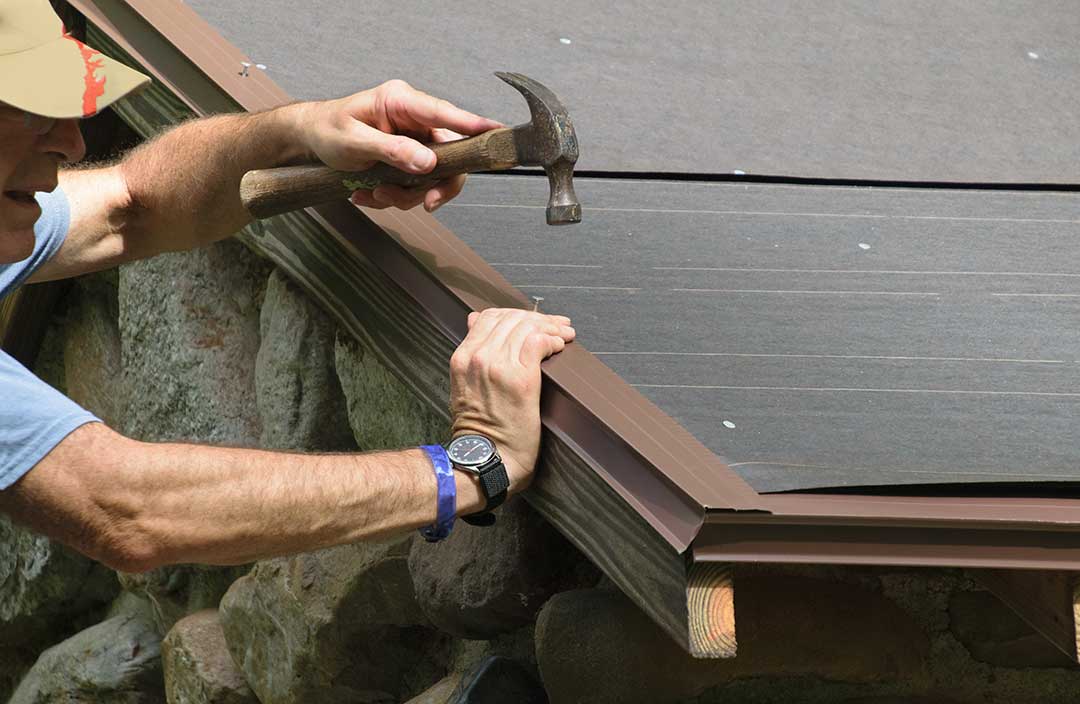
Warning signs include:
- Refusing to provide insurance information
- Offering only a verbal price
- Requesting a large payment before work begins
- Pressuring the homeowner to sign immediately
- Claiming that every roof problem requires full replacement
- Using vague descriptions such as “fix leak” without identifying the area
- Avoiding questions about permits, disposal, or warranty coverage
- Arriving without clear identification or written documentation
- Asking the homeowner to handle unsafe roof access or inspection tasks
Storm damage can attract temporary operators who move quickly through an area after severe weather. A local address, phone number, and online presence do not by themselves prove reliability. Documentation, references, insurance, and a clear contract provide stronger evidence.
Homeowners should also be cautious about insurance-related promises. A roofing company can document visible damage, but it should not guarantee that an insurance claim will be approved or encourage exaggerated damage reports.
How do seasonal conditions affect roof repairs?
Timing matters in a northern climate. Snow, ice, frozen materials, short daylight hours, and wet surfaces can make roof work unsafe or technically unsuitable. Some sealants and roofing materials also have temperature limits that affect installation and bonding.
A repair company should explain whether weather conditions require temporary protection, delayed materials, or a different repair method. Temporary measures may be reasonable when an active leak is allowing water into the home, but they should be described as temporary rather than presented as a permanent solution.
After heavy snow, homeowners should avoid climbing onto the roof to inspect damage or remove snow unless they have the proper training and equipment. Roof edges can be difficult to see, ladders may shift on ice, and falling snow can injure people or damage property.
What should happen after the repair is completed?
The completed work should be reviewed against the written proposal. The homeowner should receive information about the materials used, warranty terms, maintenance expectations, and any remaining concerns.
A final check should confirm that:
- Roofing debris and loose nails have been removed
- Gutters and downspouts are not blocked by repair materials
- Exposed flashing appears properly secured
- The affected interior area has been checked for continuing moisture
- Any temporary covering has been removed or clearly identified
- The invoice matches the agreed scope and approved changes
A repaired leak may leave stains or damp insulation that take time to dry, so the absence of a new ceiling mark does not always prove that the source has been corrected. If moisture continues, the company should reassess the repair rather than simply applying another surface patch.
The most reliable choice is usually the company that provides the clearest diagnosis, complete documentation, safe work practices, and realistic explanation of the roof’s condition. For area households dealing with winter weather and aging roofing materials, careful evaluation before work begins can prevent a small repair from becoming a larger and more expensive problem.
