
Why pests enter through the roof
Pests usually get into a roof system through small openings created by age, weather, animals, or poor ventilation protection. Once inside, the attic offers shelter, warmth, nesting material, and protection from the region’s cold winters.
In Massena, seasonal temperature changes, snowfall, ice, wind, and freeze-thaw cycles can gradually loosen or damage roofing components. A gap that seems insignificant from the ground may be large enough for a mouse, bat, squirrel, bird, or insect to use.
The roof is not always the first place a pest enters. Animals may climb exterior walls, trees, utility lines, chimneys, or attached structures before reaching the roof edge. From there, they can move into:
- The attic
- Wall cavities
- Soffits and overhangs
- Roof vents
- Chimneys
- Areas around dormers and roof intersections
Which parts of a roof are most vulnerable?
The most common entry points are located where roofing materials meet, change direction, or allow air to move through the building.
Soffits and fascia
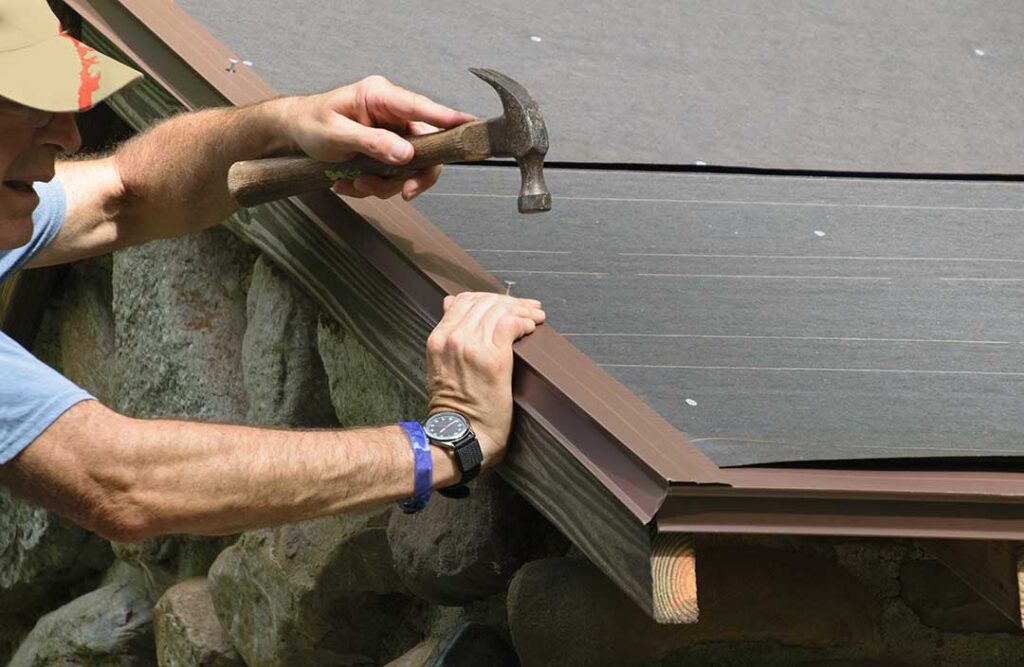
Soffits are the panels beneath the roof overhang, while fascia is the vertical trim along the roof edge. These areas can develop openings when panels warp, fasteners loosen, trim rots, or ice and wind cause damage.
Squirrels may enlarge a small opening by chewing. Mice can use gaps near corners or joints. Birds may push into loose sections and build nests behind them.
Roof and gable vents
Attic vents are designed to release heat and moisture, but damaged screens or missing protective mesh can allow animals inside. A vent cover may look intact from a distance while the screening behind it has been torn, bent, or corroded.
Birds, bats, squirrels, and insects may use these openings. A vent that is blocked by nesting material can also reduce airflow and contribute to attic moisture problems.
Chimneys
An uncapped or damaged chimney can provide access for birds, squirrels, raccoons, and insects. Animals may enter the flue itself or move into nearby attic spaces where the chimney passes through the roof.
A chimney should not be sealed casually if it serves a heating appliance. Any cap or screen must allow proper ventilation and should not interfere with the safe operation of the flue.
Roof valleys, flashing, and penetrations
Flashing protects joints around chimneys, walls, skylights, plumbing vents, and roof valleys. If flashing pulls away or sealant fails, water and pests may find the same opening.
Plumbing vent boots can crack with age. Gaps may also form around pipes, cables, satellite equipment, and other items that pass through the roof. These penetrations are often overlooked because they occupy only a small area.
How do trees and nearby structures help pests reach the roof?
Trees with branches touching or overhanging a roof can provide a direct route for squirrels and other climbing animals. Even when branches do not touch the roof, they may allow animals to jump onto the structure.
Snowbanks, stacked firewood, sheds, fences, and attached garages can also create easier access to lower roof sections. In winter, deep snow may bring animals closer to soffits, vents, and lower exterior openings.
Keeping branches away from the roof can reduce access, but pruning should be done carefully. Cutting large branches near electrical lines or working from a snowy roof can create serious hazards.
What signs suggest that pests have entered through the roof?
The signs depend on the animal, but several clues are common:
- Scratching, thumping, or scurrying sounds in the attic
- Droppings beneath roof vents or along attic insulation
- Nesting material such as leaves, paper, grass, or shredded insulation
- Chewed wood, plastic, roofing material, or screening
- Feathers or bird debris near a vent
- Greasy marks or dark staining around a frequently used opening
- Daylight visible through the roof edge or attic wall
- Musty odors, urine smells, or damp insulation
- Insects entering rooms from ceiling fixtures or attic openings
- Small holes that appear larger over time
Timing can provide a clue. Noises during daylight may suggest squirrels or birds, while activity after sunset may point toward mice, bats, or other nocturnal animals. Sound alone is not enough for reliable identification, however.
Can a pest enter through a very small gap?
Yes. Mice can pass through openings only slightly larger than the width of a pencil. Bats can use narrow gaps where roofing materials, flashing, vents, or trim have separated. Squirrels and larger animals may begin with a small defect and enlarge it through chewing or repeated use.
The size of the visible hole does not always show the full problem. A loose soffit panel may conceal a larger cavity, and an opening behind flashing may connect directly to the attic or wall structure.
How does roof damage make pest entry more likely?
Roof damage creates both physical openings and conditions that attract pests. Missing shingles, lifted edges, rotted trim, and damaged underlayment can expose the layers beneath the roof.
Moisture is another factor. Leaks can soften wood, damage insulation, and create sheltered spaces. Insects may be attracted to damp materials, while rodents and birds may use damaged areas to reach warmer nesting locations.
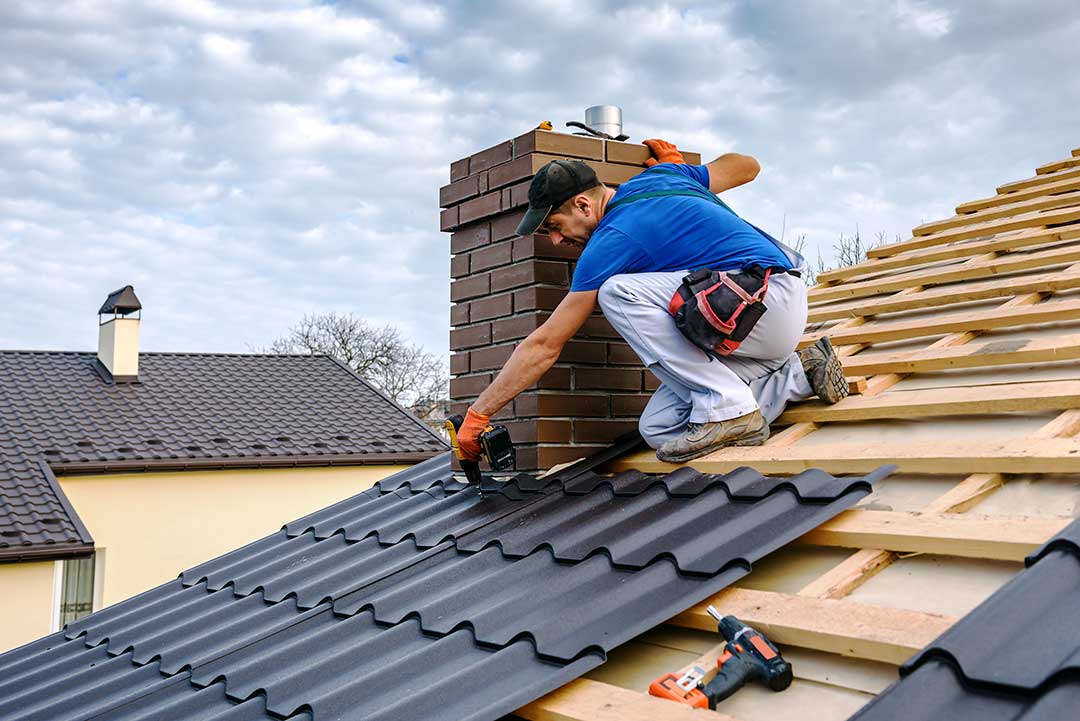
Heavy snow, ice buildup, wind, and repeated freezing and thawing can place stress on roof edges and flashing. A roof that appears sound after summer may reveal loose components or cracked materials during the colder months.
What should homeowners inspect safely?
A ground-level inspection can identify many warning signs without requiring anyone to walk on the roof. Look for:
- Loose or missing soffit panels
- Damaged vent screens
- Gaps at roof corners and eaves
- Bent flashing
- Missing chimney caps
- Openings around pipes and roof-mounted equipment
- Chewed trim or holes near the roofline
- Branches resting against the roof
- Nesting material near vents
An attic inspection can reveal light coming through exterior openings, disturbed insulation, droppings, stains, and nesting activity. Use caution around exposed nails, unstable insulation, electrical wiring, and weak ceiling surfaces.
A roof covered with snow, ice, frost, or steep slopes should not be walked on for a routine inspection. Falls are a greater risk than many homeowners expect, especially around roof edges and icy access points.
Should an opening be sealed immediately?
Not always. Sealing an opening before identifying the animal can trap it inside, separate young animals from adults, or force the animal into a wall or living area.
This is especially important with bats and nesting birds. Bat exclusion may need to follow seasonal and wildlife-protection requirements. If a bat has entered a living space or a person or pet may have had contact with one, avoid handling it directly and seek guidance from appropriate health or wildlife authorities.
Once the animal has safely left or been removed, the opening can be repaired with durable materials. Thin foam, fabric, or plastic may not withstand squirrels or other persistent animals. Metal screening, properly secured vent covers, replacement trim, and sound flashing are more reliable for many roofline repairs.
How can roof-related pest problems be prevented?
Prevention starts with keeping the roof edge, attic ventilation, and exterior openings in good condition. Useful measures include:
- Inspecting roof edges and vents at least twice a year
- Repairing loose fascia, soffits, flashing, and vent covers
- Keeping branches from contacting the roof
- Maintaining chimney caps and appropriate flue protection
- Sealing gaps around utility penetrations
- Replacing damaged screening with durable metal mesh
- Removing accessible food sources such as unsecured garbage or birdseed
- Checking the attic after major wind, ice, or snow events
- Watching for stains or damp insulation that may indicate a leak
A roof does not need a large missing section to develop a pest problem. Small defects at joints, vents, and edges are often enough. Regular observation from the ground, careful attic checks, and timely repair of damaged roof components can prevent a minor opening from becoming a larger structural, sanitation, or wildlife concern.
