
Can a sports ball really damage a roof?
Yes. A baseball, softball, soccer ball, football, or hockey ball can damage roofing materials, especially when thrown or kicked with force. The result may be minor surface scuffing, a cracked shingle, a bent metal component, or hidden damage beneath the roof covering.
A single impact does not always create an emergency. However, damage can become more serious if water enters through a broken seal or if repeated impacts weaken the same area.
In Massena, NY, roof damage deserves prompt attention because rain, snow, ice, and repeated freeze-thaw cycles can enlarge small defects. A tiny opening that appears harmless during dry weather may allow moisture to reach roof decking or insulation later in the season.
Which roofing materials are most vulnerable?
The type of roofing material affects both the likelihood and severity of impact damage.
- Asphalt shingles: A direct hit can dislodge granules, crack the shingle surface, break a seal strip, or lift a shingle edge. Older shingles may be more brittle and less able to absorb impact.
- Metal roofing: Metal panels usually resist ordinary ball impacts better than asphalt shingles, but a hard or fast-moving ball can leave dents, scratches, or punctures. Damage near seams, fasteners, or flashing deserves particular attention.
- Wood shakes or shingles: These materials can split or crack when struck. Existing weathering, dryness, or previous damage may make them more vulnerable.
- Low-slope membrane roofing: A ball can puncture or tear a membrane, particularly if the material has aged or if the impact lands near a seam or rooftop equipment.
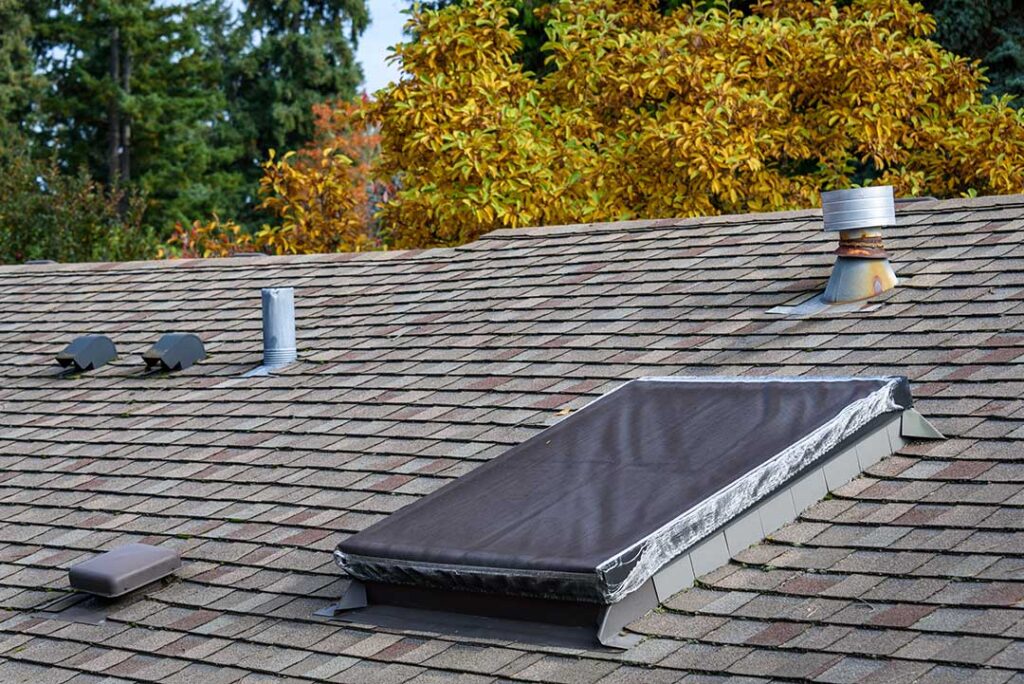
- Roof flashing and vents: Thin metal flashing, plumbing vent collars, ridge vents, and other roof accessories may bend or crack even when the surrounding shingles look normal.
The weakest point is not always the center of a roof slope. Edges, ridges, valleys, flashing, and roof penetrations may sustain more noticeable damage because they contain seams or exposed components.
What kinds of damage should residents look for?
The most visible signs include a missing shingle, a dented metal panel, or a broken roof accessory. Other problems are less obvious and may only appear after rain.
After a ball strikes the roof, look from the ground for:
- Shingles that are missing, curled, lifted, or sitting at an unusual angle
- Dark marks, exposed fiberglass, or areas where granules have been scraped away
- Dents, punctures, scratches, or lifted seams on metal roofing
- Cracked or displaced ridge caps
- Bent flashing around chimneys, vents, or roof edges
- Broken vent covers or damaged plastic components
- Granules collected in gutters or at the base of downspouts
- Water stains on ceilings, walls, or around attic penetrations
A roof does not need to leak immediately for damage to matter. Some impact marks break the protective surface but do not allow water through until wind, ice, or snow works the damaged area loose.
Can a ball cause a roof leak right away?
It can, but immediate leaking is not guaranteed. A forceful impact may puncture a membrane, crack a tile or shake, or break a seal around flashing. In those cases, water may enter during the next rainfall.
Other impacts create a delayed leak. For example, a shingle may lose its weather-resistant seal but remain in place. Later, strong wind lifts the shingle, or melting snow travels beneath it. Water can then reach the underlayment or roof decking.
Indoor warning signs may include:
- A new brown or yellow ceiling mark
- Damp insulation in the attic
- A musty odor
- Peeling paint near the ceiling
- Moisture around a vent, chimney, or exterior wall
- Dripping that occurs only during wind-driven rain
Because water can travel along rafters and roof decking, the indoor stain may appear several feet away from the actual impact location.
Do hail and sports-ball damage look the same?
Not always. Hail commonly creates multiple impact marks across exposed roof slopes, while a sports ball usually causes one concentrated area of damage. A ball may also leave a recognizable dent, scuff, or localized break near a yard, driveway, play area, or neighboring structure.
Still, the appearance can overlap. A single hailstone can damage one area, and a ball may strike more than once. The age and condition of the roof also influence what the damage looks like.
It is generally better to document what happened rather than assume the cause from appearance alone. A dated photograph, a description of the ball involved, and notes about recent weather can help distinguish an isolated recreational impact from broader storm damage.
What should be done immediately after an impact?
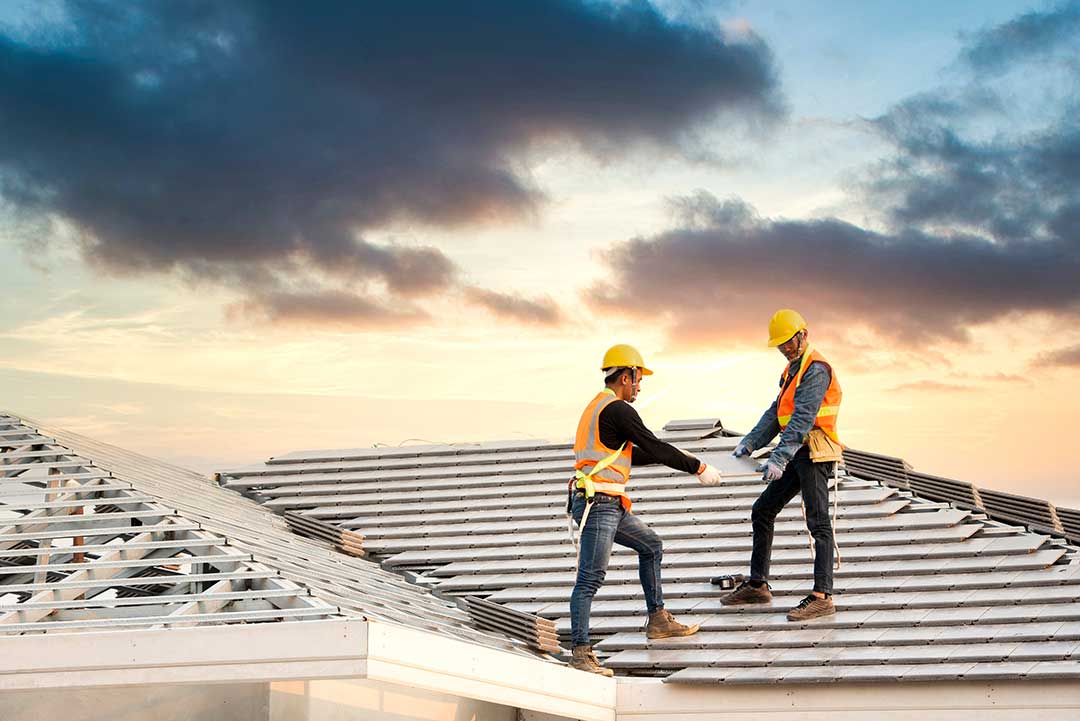
Start with safety. Do not climb onto the roof to inspect a suspected impact, particularly during wet, icy, windy, or snowy conditions. Roof surfaces become especially hazardous in the colder months, and a ball may strike an area that is difficult to reach safely.
From the ground, record:
- The approximate time and location of the impact
- The type and size of the ball
- Whether the ball was thrown, kicked, or hit
- Visible roof damage
- Any interior moisture or staining
- Weather conditions before and after the incident
If water is entering, place a container beneath the drip and move valuables away from the affected area. Do not cover an active leak with materials that could trap moisture or create a slipping hazard. Where roof access, electrical hazards, structural concerns, or active water intrusion are involved, inspection and temporary protection should be handled by someone trained for that work.
Can a damaged shingle be patched?
Sometimes, but the appropriate repair depends on the location and type of damage. A single cracked or displaced asphalt shingle may be replaceable. A punctured membrane, damaged flashing detail, or broken roof vent may require a different repair method.
Applying roofing cement over every impact is not a universal fix. Surface coating may hide the problem without restoring the shingle’s seal, repairing a puncture, or correcting bent flashing. It can also make later inspection more difficult.
A repair should address both the visible mark and the weatherproofing beneath it. If the impact damaged roof decking, underlayment, insulation, or interior finishes, those materials may also need attention.
How can repeated ball impacts be prevented?
The most effective prevention is changing the direction and location of play rather than relying on the roof to absorb repeated impacts.
Useful steps include:
- Positioning goals, batting practice, and throwing areas away from the house
- Avoiding play toward roof edges, windows, skylights, and exterior equipment
- Using a net or other appropriate barrier where repeated shots are likely
- Establishing clear boundaries for children and guests
- Moving ladders, bins, or other objects that make it easier to reach the roof
- Checking outdoor play areas after winter snow and ice have changed the ground surface
In compact residential areas, a ball may travel farther than expected after bouncing from frozen ground, packed snow, pavement, or a fence. Seasonal conditions can also change the angle and speed of a shot, making spring and late-fall play different from summer play.
When does a ball strike require urgent attention?
Prompt attention is warranted if there is active leaking, a visible puncture, a missing section of roofing, exposed roof decking, damaged electrical equipment, or a roof component hanging loose. A problem also deserves closer review if it occurs before heavy rain, strong wind, freezing temperatures, or a snow event.
Minor cosmetic scuffing may not require the same response as a puncture or displaced flashing component. The key question is whether the roof’s water-shedding layer remains continuous and securely attached.
Even when no indoor leak appears, documenting and monitoring the area can help prevent a small impact from becoming a larger roofing problem.
