
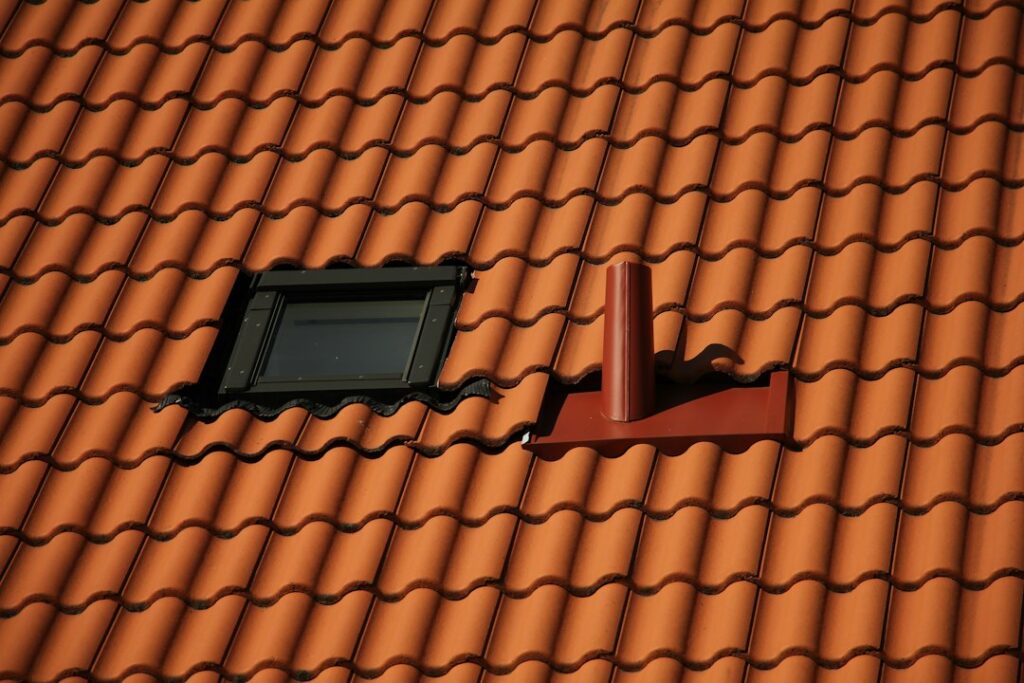
Roof penetrations are any places where a pipe, vent, chimney, skylight, antenna, wiring conduit, or mechanical equipment passes through the roof. These openings are naturally vulnerable because they interrupt the roof’s continuous water-shedding surface.
Proper sealing does not depend on applying a thick layer of caulk around the opening. A reliable repair or installation uses correctly layered flashing, compatible underlayment, secure fasteners, and sealant only where it is designed to work.
Why are roof penetrations common leak points?
Roof penetrations often leak because water can collect above or around them, especially when flashing is damaged, poorly overlapped, or installed against the direction of drainage. Snow and ice can make these weaknesses worse by holding moisture against the roof surface or shifting loose flashing.
In Massena, NY, repeated freeze-thaw cycles, winter snow, wind-driven rain, and spring meltwater can place added stress on roof details. Materials expand and contract as temperatures change, so a seal that looks satisfactory during warm weather may crack, shrink, or separate later.
Common penetration points include:
- Plumbing vent pipes
- Bathroom and kitchen exhaust vents
- Chimneys and metal flues
- Skylights
- Attic ventilation fixtures
- Electrical conduits and service masts
- Satellite or antenna supports
- Roof-mounted heating or cooling equipment
- Solar equipment attachments
- Fasteners and supports for exterior structures
A leak may not appear directly below the penetration. Water can travel along roof decking, rafters, insulation, or ceiling framing before becoming visible indoors.
What is the proper way to seal a roof penetration?
The correct method is to create a layered drainage system rather than relying on surface sealant. The flashing should direct water around the penetration, while the underlayment and membrane provide secondary protection beneath the roof covering.
A typical installation includes these steps:
1. Inspect the roof covering and opening.
Remove damaged shingles, panels, or membrane around the penetration. Check the roof deck for soft wood, staining, delamination, or rot.
2. Prepare the opening.
The penetration should be stable, properly sized, and free of loose debris. Pipes and equipment should not move independently of the roof unless the assembly is specifically designed to allow movement.
3. Install or repair the underlayment.
A self-adhering waterproof membrane is commonly integrated around roof penetrations. The lower section should be installed first, followed by side and upper sections so that the layers overlap in the direction water flows.
4. Install the correct flashing.
Plumbing vents generally use a roof jack or pipe flashing. Chimneys require a more complex flashing system, often including base flashing, step flashing, and counterflashing. Skylights and curbs need flashing that is integrated with the surrounding underlayment.
5. Restore the roof covering.
Shingles, panels, or membrane sections should be replaced in a shingle-fashion pattern so upper layers shed water over lower layers. Fasteners should be placed according to the roofing material and flashing design.
6. Apply compatible sealant where required.
Sealant may be used at specific seams, fastener heads, collars, or joints, but it should not replace missing flashing. The product must be compatible with the pipe, membrane, metal, roof coating, and expected temperature range.
Should caulk be used around a roof penetration?
Caulk can help seal a properly installed flashing assembly, but it is not a substitute for flashing. A bead of sealant around the top of a pipe may temporarily slow a leak while leaving the underlying drainage problem unresolved.
Surface sealant fails when it is:
- Applied over wet, dusty, rusty, or loose materials
- Spread too thin to accommodate movement
- Used on incompatible roofing materials
- Exposed to ultraviolet light without being designed for it
- Applied where standing water or snow routinely collects
- Expected to bridge a large gap
- Used to cover deteriorated flashing
For metal roofs, compatibility is especially important. Some sealants can interfere with coatings, react with certain metals, or fail as panels expand and contract. The roofing system’s installation instructions should govern the choice of sealant.
How should plumbing vent pipes be sealed?
A plumbing vent pipe should pass through an approved flashing boot or roof jack that fits the pipe and roof covering. The flashing flange must be integrated beneath the upslope roof layers and over the downslope layers so water continues to drain away.
The rubber or elastomeric collar around the pipe should fit tightly without being stretched, torn, or folded. Cracked collars are common sources of leaks and usually require replacement rather than a heavy coating of caulk.

The vent opening must remain unobstructed. Sealing around the pipe should never block the vent itself, reduce its opening, or allow debris and pests to enter.
What is different about chimneys and flues?
Chimneys and combustion flues require greater care because they involve both water protection and fire safety. A chimney commonly needs step flashing along the sides, front or headwall flashing, and counterflashing that directs water over the base flashing.
Metal flues must maintain the clearances required for the appliance and surrounding combustible materials. Gaps around a hot flue should not be filled with ordinary spray foam, roofing cement, or general-purpose caulk. Heat-rated materials and approved construction details are necessary.
Any work involving a chimney, wood stove, furnace flue, gas vent, or other heat-producing appliance should be treated as a safety-sensitive repair. A leak around these systems may also indicate corrosion, improper support, or a ventilation problem.
How are roof penetrations sealed from inside the attic?
Exterior flashing stops rain and melting snow, but the interior side may also need air sealing. Openings around pipes, wires, ducts, and chases can allow warm indoor air to enter a cold attic. That moisture can condense on roof framing or sheathing during winter.
From the attic side, small gaps around non-heated penetrations may be sealed with compatible caulk or low-expansion foam. Larger openings may need backing material before sealant is applied. Penetrations involving chimneys, flues, recessed lighting, or fire-rated assemblies require materials and clearances appropriate to the hazard.
Interior air sealing does not replace exterior roof flashing. Both functions should be addressed separately: the exterior sheds water, while the interior limits uncontrolled air and moisture movement.
How can a homeowner check for a failing seal?
Inspection is safest from the ground, attic, or an accessible roof area with proper fall protection. Look for:
- Rust or discoloration around flashing
- Cracked, hardened, or missing sealant
- Torn rubber collars
- Lifted shingles or exposed fasteners
- Water stains near attic penetrations
- Damp insulation or musty odors
- Soft roof decking
- Gaps between flashing and masonry
- Snow or ice collecting around a penetration
- Drips that appear only during wind-driven rain or spring thaw
A leak that returns after repeated caulking usually requires examination of the flashing layers, roof covering, or roof deck. Covering the visible symptom can allow hidden damage to continue.
When is roof-penetration work unsafe to do personally?
A homeowner should avoid roof work during ice, snow, rain, strong wind, or wet conditions. Steep roofs, fragile roofing, skylights, electrical service equipment, and chimney systems add significant hazards.
Qualified assistance is warranted when the repair involves a combustion flue, electrical service mast, structural damage, extensive rot, a skylight curb, or a roof system whose installation requirements are not clear. Building-code requirements may also apply when adding a new vent, moving a penetration, installing mechanical equipment, or modifying a chimney.
The most durable roof penetration is one that is planned before the roof covering is installed, integrated with the underlayment, flashed in the direction of drainage, and sealed with materials suited to the roof system. Surface caulk has a supporting role, but the flashing assembly does the primary work.
